
Modern Reasons for Antinatalism as a Belief System
Antinatalism is a question more people are whispering, sometimes jokingly, sometimes seriously. Between climate anxiety, economic instability, political polarization, and rising mental health concerns, the decision to have a child feels heavier than it did a generation ago.
The conversation is no longer just “Do you want children?” It is “Should you?”
The Anxiety Generation Is Now the Parenting Generation
The people considering children in 2026 grew up through recessions, pandemics, climate headlines, and constant digital comparison. Many are still navigating burnout, therapy, and unlearning generational patterns.
Get Parental counselling: https://heartitout.in/?srsltid=AfmBOorghQV1ZJHrZnQ8RZgU1UdIM3zUexFTTWM7W-_nR3O7Y7MDXGEr
So the ethical question often hides a more vulnerable one in the light of antinatalism is:
If I am still healing, do I have the right to raise someone else?
This is not selfishness. Antinatalism is hyper responsibility. A heightened awareness of trauma, attachment styles, emotional regulation, and inherited patterns. Previous generations often parented without this language. Today, we over analyze it.
There is a quiet belief that unless you are fully healed, fully stable, and fully secure, you are morally unqualified to become a parent. But mental health is not a finish line you cross before earning adulthood. It is an ongoing process. Waiting to be perfectly regulated before having a child is like waiting to be perfectly confident before living your life.
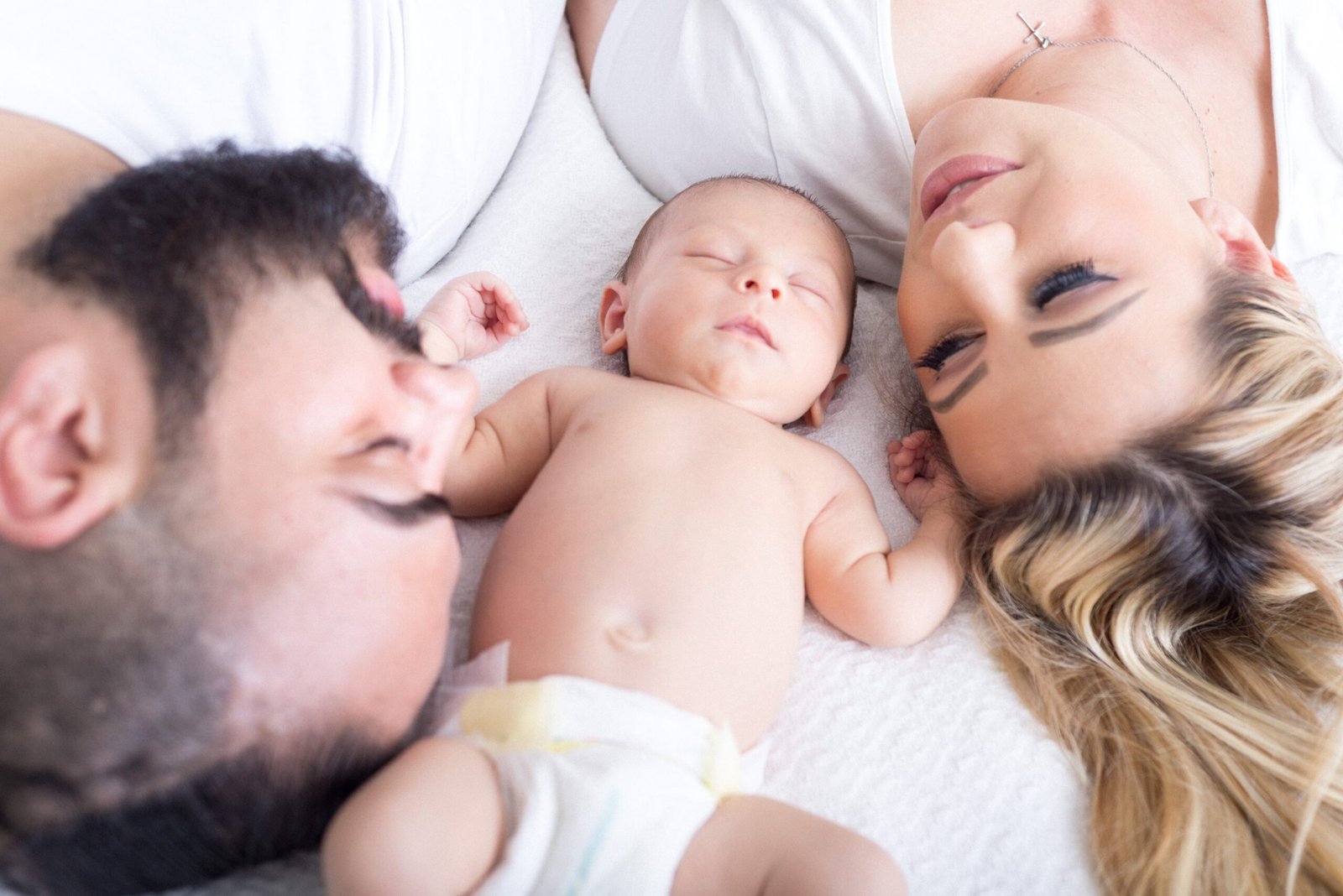
Kids and Parenting in 2026 : Antinatalism
https://s46.upskillrocket.click/hello-world/https://s46.upskillrocket.click/hello-world/
Climate Guilt and Existential Responsibility
Climate anxiety has reframed reproduction as a moral decision. Some feel that bringing a child into a warming planet is irresponsible. Others feel that raising conscious, ethical children is part of the solution.
Both positions come from care.
The difference lies in where responsibility is placed. On the individual family, or on systemic structures. When people internalize global failures as personal guilt, the weight becomes paralyzing. You start asking if your desire for a child is indulgent rather than human.
But ethical decision making cannot be built on doom alone. It has to consider capacity, values, and intention.Economic Pressure and the Performance of Stability
In many urban settings, especially across India’s expanding metros, parenthood is now tied to financial optics. The “right” school, the “right” home, the “right” extracurricular exposure. Social media amplifies this. Parenting becomes a curated project.
For many couples, the ethical concern is not whether they can love a child. It is whether they can afford the version of childhood society now expects.
This creates a dangerous equation: if you cannot provide abundance, you should not provide life. That belief quietly turns economic systems into moral judges.
Socio culturally, we are in transition. Traditional joint family buffers are shrinking. Nuclear households carry more emotional and financial load. Community support has reduced, while expectations have increased. It is understandable that people hesitate.
But hesitation is not the same as immorality. It is reflection.
The Silent Mental Health Question
There is another layer people rarely articulate openly.
What if I pass down my anxiety? My depression? My unresolved grief?
Intergenerational trauma is real. So is intergenerational resilience.
Mental health awareness has made potential parents more conscious, but also more fearful. The ethical lens can become perfectionistic. The belief that unless you can guarantee a child zero suffering, you should not have them.
No parent in any era has been able to promise a painless life. Ethics in parenting is not about eliminating adversity. It is about building emotional safety, repair, and responsiveness.
Is It Unethical, Or Is It Uncertain?
Often, the word unethical masks uncertainty.
The world feels unstable. Social roles are shifting. Gender expectations are renegotiated. Many women are choosing egg freezing, delaying timelines, or remaining childfree not out of apathy, but out of thoughtfulness. That in itself signals cultural maturity.
The ethical choice is not universally to have children or to avoid them. It is to choose consciously rather than compulsively.
If the decision comes from pressure, fear of aging, family insistence, or social comparison, it may feel misaligned. If it comes from desire, capacity, and willingness to grow alongside a child, it is not unethical. It is human.
A More Useful Question
Instead of asking, “Is having kids in 2026 unethical?” perhaps the better question is:
Am I willing to examine my motivations, my support systems, and my emotional capacity honestly?
Parenthood has never been neutral. Every era has had its crises. What is different now is our awareness. We are thinking more. Questioning more. Naming more.
That is not moral decline. It is moral evolution.
The presence of doubt does not mean the answer is no. It means you are taking the decision seriously.
And that, in itself, is an ethical place to begin.